You'll sign a stack of paperwork when you sell a rental house in Arcata. The Transfer Disclosure Statement. The Natural Hazard Disclosure. Whatever your title company hands you at the closing table. None of it mentions the one deadline that can quietly undo your rental unit's legal standing after the sale is done.
Arcata runs its own rental compliance program, separate from anything the state requires and separate from anything your escrow officer checks. If you own a single-family rental or a duplex inside city limits, that unit almost certainly carries a registration and, ideally, a current inspection certification through the city's Residential Rental Inspection Program. When you sell, the law gives you sixty days from closing to tell the city the property changed hands. Miss that window, and the certification your buyer thought they were getting doesn't survive the transaction. It lapses on its own, with no notice and no appeal, and the new owner finds out the hard way.
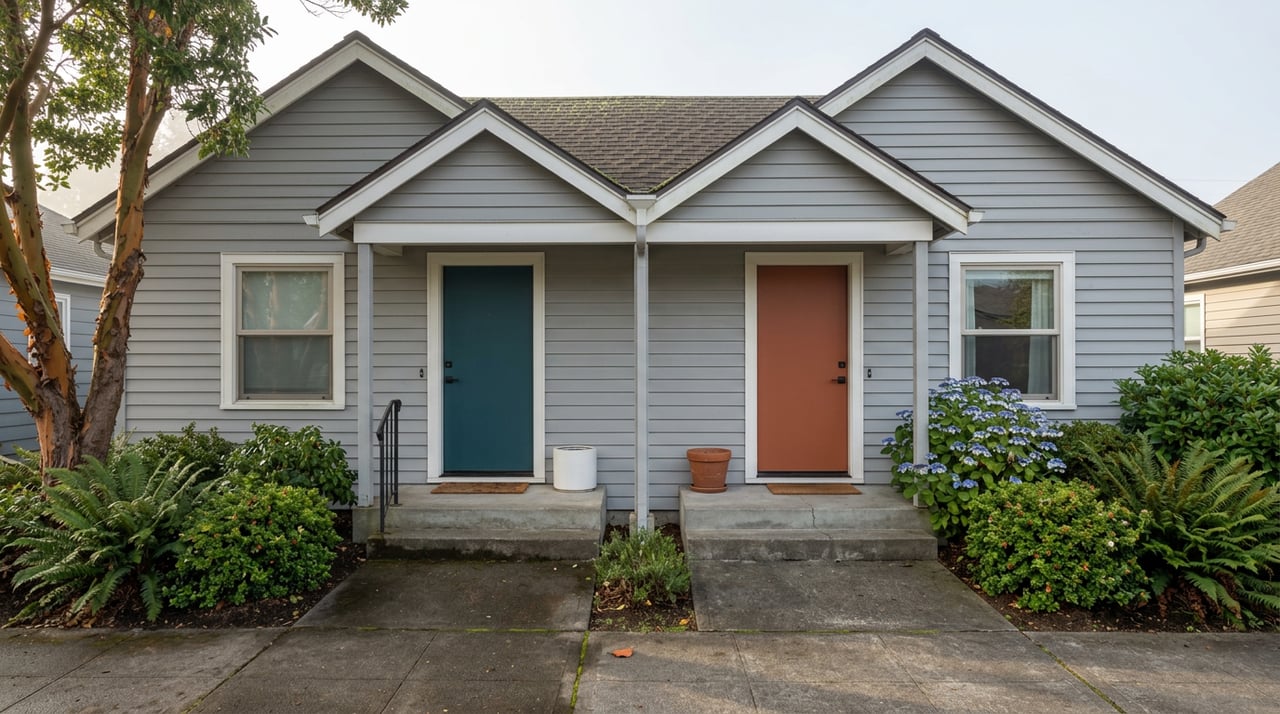
A City Program That Escrow Doesn't Touch
Arcata adopted its Residential Rental Inspection Program under Ordinance No. 1552 in early 2023, later amended by Ordinance 1571 in the fall of 2024. The program requires owners of one and two-unit rental properties to register each unit with the city and go through a health-and-safety inspection cycle. Registration runs $20 a year, with an inspection fee of roughly $73.29 charged every three years during the initial phase. Once a property clears that first three-year cycle without violations, the owner can apply to self-certify: an annual self-inspection using a city checklist, in place of a city inspector showing up in person.
Not every rental in Arcata falls under this program. The rules exempt properties with three or more units, which the Arcata Fire District inspects under its own schedule instead. They also exempt single rooms rented to an individual inside an owner-occupied home, hotel and motel units already subject to the city's transient occupancy tax, and units built within the past five years. If your rental is a standalone single-family house or a duplex where both units go to tenants, you're almost certainly inside the program, not outside it.
The city built this to catch substandard housing conditions before they become a tenant's problem, not to trip up a sale. But the ordinance folds a sale directly into its enforcement machinery, and that's where sellers get caught off guard.
The Clause That Activates The Moment You Close
Buried in the ordinance's tenant-rights section is a provision the city calls Change of Ownership. It states plainly that when a rental unit's ownership changes, the seller has to notify the city's Building and Engineering Department within sixty calendar days of the sale closing. If that notification doesn't happen, the existing rental housing inspection certification for the unit automatically terminates. Not suspended pending review. Terminated, on the clock, without the city needing to do anything.
Think about what that means in practice. Say your Arcata duplex passed its inspection eighteen months ago and carries a certification good for another year and a half. You sell it. If nobody tells the city within sixty days, that certification is gone the moment the window closes, regardless of how much time was left on it. The new owner doesn't inherit a rental with fifteen months of certified life remaining. They inherit a rental that has to start the inspection process over, as if no certification ever existed.
The ordinance does include one concession for the new owner: as long as all program fees were current on the property, they won't owe registration fees until the following calendar year. That's a small grace period on cost. It says nothing about the certification itself, which is the part that actually determines whether the unit is compliant to keep renting.
If you're closing on an Arcata rental sale in the next few weeks, this is the reminder to put day fifty-nine on your calendar, not day sixty-one.
Where This Sits Relative To The Paperwork You Already Know
California requires two disclosure documents on almost every residential sale of one to four units. The Transfer Disclosure Statement, required under Civil Code Section 1102, covers the property's condition: age of the roof, known defects, past repairs. The Natural Hazard Disclosure Statement, required under Section 1103, covers whether the property sits in a mapped hazard zone for flooding, wildfire, or seismic activity. Both have to reach the buyer before or as soon as practicable after the offer is accepted, and if they arrive late, the buyer gets a short window to walk away.
Arcata's rental inspection status isn't part of either form. It's a city administrative record, tracked by the Building and Engineering Department, and it doesn't move with the property the way title or tax records do. That's precisely why the ordinance had to build in its own notification requirement. If RRIP compliance transferred automatically the way a deed does, there'd be no need for a change-of-ownership clause at all.
For a seller, that means the standard disclosure package your agent and title company handle for you covers everything the state cares about, and none of what the city cares about on this specific point. It's a separate errand, on a separate clock, that lives entirely outside the transaction paperwork most people assume covers everything.
| Stage | What's required | Who tracks it |
|---|---|---|
| Before offer acceptance | Transfer Disclosure Statement (Civil Code 1102) | Seller, agent, title company |
| Before offer acceptance | Natural Hazard Disclosure Statement (Civil Code 1103) | Seller, agent, NHD provider |
| Within 60 days of closing | RRIP change-of-ownership notification | Seller, directly to the City of Arcata |
Why This Is Worth Flagging Right Now
Humboldt's off-campus rental market has been shifting as Cal Poly Humboldt's new 964-bed residence hall comes online, pulling some student rental demand back onto campus. For landlords who bought an Arcata duplex or single-family rental specifically to house students, that shift changes the math on holding versus selling. If you're one of the owners weighing an exit this year, the RRIP notification requirement is exactly the kind of detail that gets missed in a sale that otherwise feels routine. Nobody on a standard closing checklist is going to flag it for you unless they know Arcata's rental code specifically.
What To Actually Do Before You List
Start by confirming your unit's current status with the city. If you've been self-certifying, gather your recent checklists. If the city has been doing the inspections directly, check when your last certification was issued and how long it's valid. Either way, plan to notify the Building and Engineering Department of the sale as soon as escrow closes rather than waiting until you're near the sixty-day mark. The department can be reached at [email protected] or (707) 822-5956, and the office sits at 736 F Street.
If you're selling to a buyer who intends to keep the property as a rental, it's worth telling them directly that this notification step exists and needs to happen on their end too if they're the ones handling it. A buyer who doesn't know Arcata runs this program at all won't think to ask.
FAQ
Does my rental's RRIP status show up anywhere in escrow paperwork? No. It isn't part of the Transfer Disclosure Statement or the Natural Hazard Disclosure Statement. It's a separate city record that has to be updated directly with Arcata's Building and Engineering Department.
What happens to the buyer if the seller never notifies the city? The unit's existing rental certification terminates automatically once the sixty-day window closes. The new owner ends up needing a fresh inspection before the unit is considered compliant again, even if the previous certification still had time left on it.
Does this apply if I live in one unit of my duplex and rent out the other? A single room rented to an individual inside an owner-occupied home is exempt. A duplex where the owner occupies one unit and rents the second as a full unit to a tenant generally still falls under the program, since the exemption is written narrowly around owner-occupied single-family situations.
What if my rental property has three or more units? Properties with three or more units are exempt from RRIP and fall instead under inspection by the Arcata Fire District.
Who do I contact with questions about my specific property? The City of Arcata's Building and Engineering Department handles RRIP directly at [email protected] or (707) 822-5956.
Selling a rental in Arcata isn't complicated, but it does have one more moving part than most sellers expect, and it's not the kind of thing a generic closing checklist catches. If you're weighing whether to sell a rental property here, or you're trying to figure out what a change in tenant demand means for your specific unit, Mike and Marci Pigg can walk through what applies to your property before you list. Let's Connect.