If you are thinking about buying a rental property in Arcata, you need more than a quick look at rent estimates and a mortgage calculator. Arcata can be appealing because it is a renter-heavy market with steady housing demand, but that does not automatically make every property a good investment. When you understand local demand, building condition, city requirements, and realistic numbers, you can make a smarter decision. Let’s dive in.
Arcata Is A Renter-Heavy Market
One of the first things to know about Arcata is that it has a much higher share of renters than many other communities in Humboldt County. According to the U.S. Census Bureau QuickFacts for Arcata, the owner-occupied housing unit rate is 36.4%, compared with 56.5% across Humboldt County overall.
That matters if you are buying with rental income in mind. A renter-heavy market can support consistent leasing demand, but it also means you should study achievable rents closely instead of relying on broad assumptions about California pricing. The same Census profile reports a median gross rent of $1,327 in Arcata and a median household income of $46,713, which suggests rent levels need to make sense within the local income picture.
University Demand Shapes The Market
A major part of Arcata’s rental demand is tied to Cal Poly Humboldt. In the university’s March 5, 2025 enrollment update, Cal Poly Humboldt reported 5,586 students enrolled for spring 2025 and 98% housing occupancy at the end of January.
That level of campus housing use helps explain why off-campus rentals remain important. The same update also notes that a new residence hall is scheduled to open in fall 2025, and some first-year students from outside the local admission area will be required to live on campus for two years starting in fall 2025.
For you as a buyer, the takeaway is simple. Off-campus demand should still matter, but the tenant mix may shift over time as more students are housed on campus. That is one reason local guidance and realistic underwriting are so important in Arcata.
Vacancy Still Calls For Careful Planning
Arcata has not historically been a loose rental market, but you still need to budget for vacancy. The city’s housing element reported a 4.66% rental vacancy rate and an overall vacancy rate of 10.62% in 2019.
Those figures are older, so they should be treated as context rather than a current guarantee. Still, they offer a useful baseline when you are building a pro forma. Even in a market with solid demand, you should assume some vacancy and collection loss instead of underwriting every month as fully occupied.
Property Types Vary Across Arcata
Arcata offers a wider mix of housing types than some buyers expect. Based on the city’s housing element data, the housing stock includes:
- 42.08% single-family detached homes
- 6.53% single-family attached homes
- 15.00% buildings with 2 to 4 units
- 25.30% buildings with 5 or more units
- 11.09% mobile homes
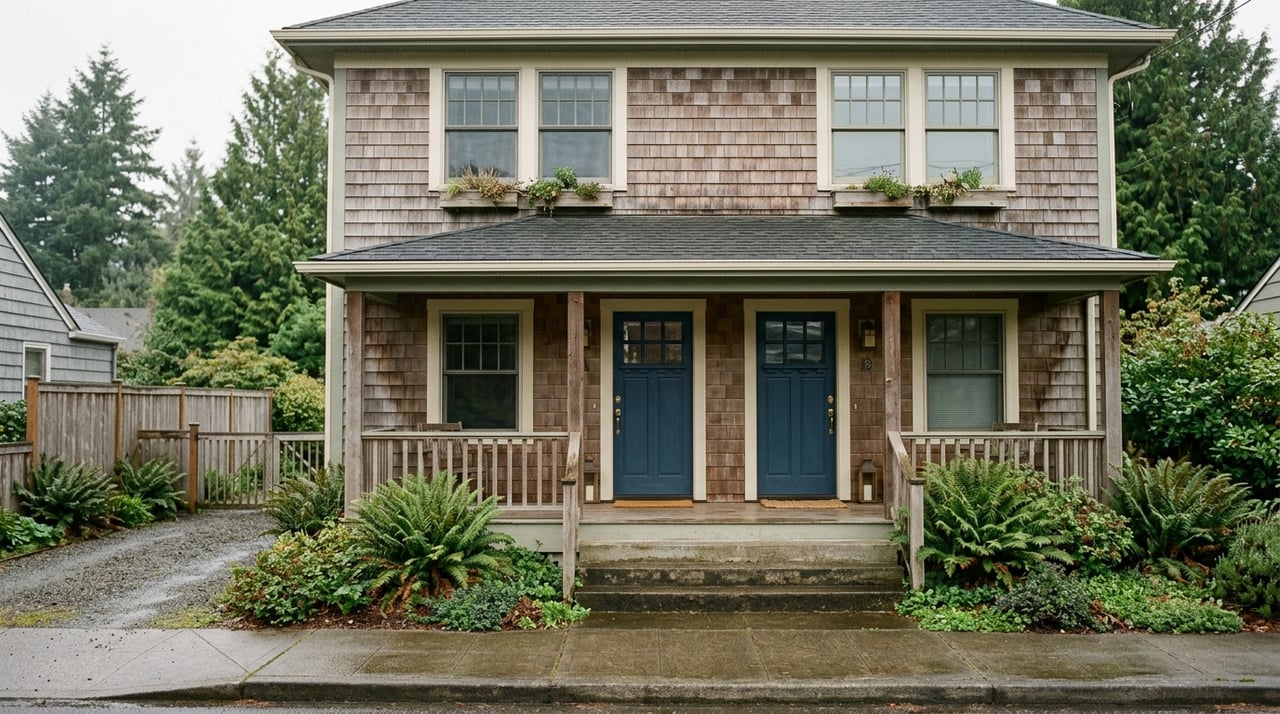
That mix can create options depending on your goals. You may be looking for a single-family home to hold as a rental, a duplex or fourplex for income diversification, or another small multifamily opportunity that fits your budget and financing plan.
Older Housing Stock Can Change The Math
In Arcata, age matters. The same housing element report shows that 43.57% of the city’s housing stock was built before 1970, and 18.05% was built before 1950.
For you, that means condition should be part of the investment story from day one. Older properties may need more attention to roofing, plumbing, electrical systems, foundations, and long-term capital planning than a newer property would.
This does not mean older rentals are bad investments. It means you should go in with clear eyes, strong inspections, and realistic repair reserves. A property that looks fine during a showing may still carry significant maintenance costs over time.
Arcata Rental Inspections Matter
Another key local factor is compliance. Arcata has a Residential Rental Inspection Program that includes registration, periodic inspections, and self-certification requirements for long-term rental properties.
If you are buying a property that is already rented or has been used as a rental, this should be part of your due diligence. Before closing, it is wise to confirm the property’s registration status, ask about prior inspections, review any open code or repair items, and understand whether near-term compliance work may affect your budget.
This is one of the biggest reasons local support matters in Arcata. A local inspector, lender, and property manager can each help you understand how a specific property may perform in the real world, not just on paper.
Underwrite Conservatively From The Start
A rental purchase only works if the numbers work. The basic framework is straightforward: start with gross scheduled rent, subtract vacancy and collection loss to get effective gross income, subtract operating expenses to reach net operating income, and then subtract debt service to estimate cash flow.
The HUD pro forma guidance supports this approach and notes that rental analysis should include achievable rents, market vacancy, operating expenses, management fees, debt service, and reserves. It also defines cash flow as the spendable cash left after operating expenses and debt service are paid.
That framework matters in Arcata because the Census Bureau reports median selected monthly owner costs with a mortgage of $2,214, while median gross rent is $1,327. That gap does not tell you every deal will fail, but it does show why financing terms, repair budgets, and vacancy assumptions can make or break an investment.
What To Include In Your Arcata Analysis
When you evaluate a rental property in Arcata, your numbers should be grounded in local realities. A simple checklist includes:
- realistic rent by unit type
- vacancy and collection-loss assumptions
- property taxes and insurance
- routine repairs and larger capital reserves
- property management fees
- turnover and make-ready costs
- debt service based on actual loan terms
If you want one more screening metric, cash-on-cash return can help. Based on the HUD guidance, you can think of it as annual pre-tax cash flow divided by the equity you invested. It is useful for comparing opportunities, but it should not replace a full review of condition, compliance, and ongoing expenses.
Why Local Professionals Matter More Here
In any market, your deal team matters. In Arcata, it matters even more because you are often balancing older housing stock, city inspection requirements, and a rental market influenced in part by university demand.
A local lender can help you understand what loan terms really look like for the property type you are considering. A local inspector can flag issues that may be common in older homes and small multifamily buildings. A local property manager can help you think through turnover, maintenance, and compliance needs before you buy.
This kind of support is especially valuable if you are relocating, buying your first investment property, or comparing several options from outside the area. The right local guidance can help you avoid expensive surprises and focus on properties that better match your goals.
A Smart Arcata Buying Strategy
If you are serious about buying a rental property in Arcata, a practical approach usually looks like this:
- Start with the property type that fits your budget and risk tolerance.
- Review achievable rent carefully instead of relying on optimistic estimates.
- Inspect for age-related issues and build in repair reserves.
- Verify rental inspection and registration details before closing.
- Model vacancy, management, and debt honestly to test actual cash flow.
- Lean on local professionals who understand Arcata’s market conditions.
That kind of step-by-step process can help you separate a promising opportunity from a property that only looks good at first glance.
Final Thoughts On Buying In Arcata
Arcata can offer real opportunity for rental-property buyers, especially because it is a renter-heavy market with steady demand drivers and a range of property types. At the same time, older housing stock, city inspection requirements, and the gap between ownership costs and median rent mean careful analysis is essential.
If you want help evaluating a rental or small multifamily property in Arcata, working with a local team can make the process clearer and less stressful. Mike and Marci Pigg bring deep Humboldt County roots and practical, step-by-step guidance to buyers who want to make confident decisions.
FAQs
What makes Arcata different for rental property buyers?
- Arcata stands out because it is a renter-heavy market, has demand influenced by Cal Poly Humboldt, includes a significant share of older housing stock, and has a local rental inspection program that buyers should review during due diligence.
What should you check before buying a rental property in Arcata?
- You should review achievable rent, vacancy assumptions, property condition, repair reserves, loan terms, and the property’s status under Arcata’s Residential Rental Inspection Program before you close.
How old is Arcata’s housing stock?
- According to the city’s housing element, 43.57% of Arcata housing was built before 1970 and 18.05% before 1950, so inspections and maintenance planning are especially important.
How does Cal Poly Humboldt affect Arcata rentals?
- Cal Poly Humboldt helps support rental demand in Arcata, with the university reporting 5,586 students enrolled in spring 2025 and 98% housing occupancy at the end of January, though future on-campus housing changes may influence tenant demand patterns.
How do you analyze cash flow on an Arcata rental property?
- A basic analysis starts with gross scheduled rent, subtracts vacancy and collection loss, then subtracts operating expenses to reach net operating income, and finally subtracts debt service to estimate cash flow.