If you are dreaming about a home near the redwoods or the coast around Arcata, it helps to know that this market comes with a very specific set of tradeoffs. The same fog, cool temperatures, and lush surroundings that make this area so appealing can also shape how a home ages, how a lot drains, and what kind of upkeep matters most. If you understand those local factors before you buy, you can make a more confident decision and avoid surprises after closing. Let’s dive in.
Why Arcata-area homes feel different
Arcata is not like many inland California markets where heat is the main housing concern. This part of Humboldt County is shaped by a humid marine climate with cool, foggy summers and cool, wet winters. Temperatures along the redwood coast tend to stay fairly steady, and most of the annual rain falls between October and April.
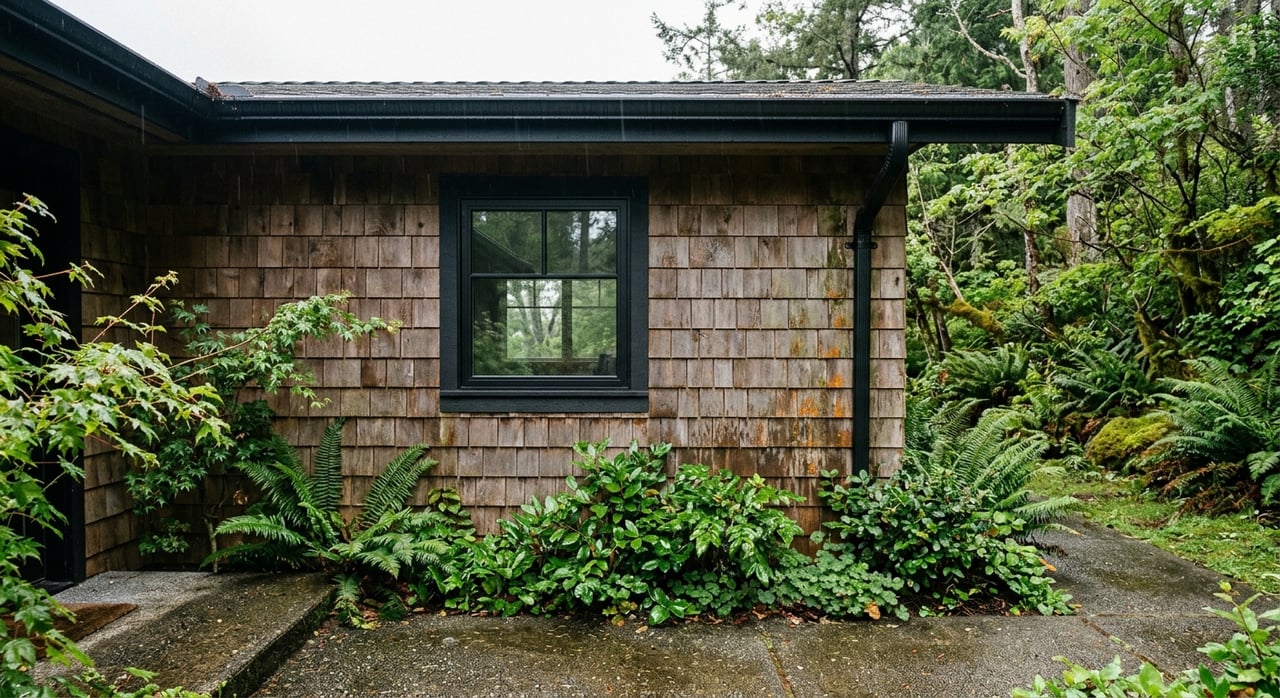
For you as a buyer, that usually means moisture management matters as much as layout or curb appeal. A home near the coast, under tree cover, or in a spot that dries slowly after rain may need closer attention to ventilation, drainage, and exterior maintenance. That does not make these homes less desirable, but it does mean local conditions should be part of your decision.
Coastal location changes the buying process
Around Arcata, location can affect more than your lifestyle. The City of Arcata says the Coastal Zone covers about one-third of the city’s land area, and development there is regulated under the Local Coastal Program and the California Coastal Act.
If you are looking at a property near the bay, shoreline, or within the Coastal Zone, future projects may need more review than you expect. A deck, addition, retaining wall, or other exterior improvement could involve extra rules, permit questions, or site-specific limitations. That is why permit history and zoning research are especially important early in the process.
Coastal hazards are part of due diligence
Arcata’s coastal ordinance says hazard screening can include geologic and seismic hazards, landslides, liquefaction, unstable slopes, shoreline retreat, flooding, tsunami inundation, and fire. It also says sea-level-rise analysis may consider flooding, wave run-up, groundwater rise, and shoreline erosion over the life of a project.
For you, the key takeaway is simple: buy the property you can understand, not just the one you love at first sight. If a parcel has coastal overlays, recorded conditions, or known vulnerability issues, those details should be reviewed carefully before you move forward.
Common home styles around Arcata
Arcata has a wide mix of home styles for a relatively small market. According to the city’s historic context materials, buyers may see Queen Anne, Workingman’s Queen Anne, Craftsman, Craftsman Bungalow, Tract Ranch, and Custom Ranch homes.
That mix gives you a lot of personality and variety. It also means two homes at a similar price point may have very different maintenance needs depending on age, design, rooflines, porches, materials, and lot layout.
Older wood homes can be beautiful and detailed
Queen Anne homes in Arcata often feature irregular shapes, steep roofs, patterned shingles, and decorative porches. Craftsman homes may include low-pitched roofs, wide eaves, exposed rafters, and strong front porch designs.
These details are part of the charm, but they can also mean more exterior surfaces, joints, trim, and roof complexity to maintain. In a damp climate, those features deserve close inspection because moisture can affect wood, paint, and connection points over time.
Ranch homes often offer a different ownership experience
Ranch homes are generally more horizontal in design and may include attached garages or carports, picture windows, and larger landscaped lots with deeper setbacks. For some buyers, that can mean a more straightforward exterior and easier day-to-day maintenance.
That said, lot drainage still matters. Even a simple home can have problems if water collects near the structure or if grading does not move runoff away from the foundation.
Lot conditions matter more than many buyers expect
The local Arcata soil series describes many area soils as being on marine terraces with slopes from 0 to 9 percent, with good drainage and moderate runoff. In real life, that means you may tour homes on nearly level parcels, gently sloping sites, or lots where water movement is not obvious until a rainy week.
When you walk a property, try to look beyond the house itself. Ask how the site handles heavy rain, whether the ground slopes away from the home, and whether there are retaining walls or low spots that may need attention.
What to watch for on the lot
A quick visual check can tell you a lot about how a property performs in Arcata’s climate. Pay close attention to:
- Grading around the foundation
- Standing water or muddy areas after rain
- Gutter downspout placement
- Retaining walls and signs of movement
- Moss, mildew, or persistent dampness
- Areas under dense tree canopy that may dry slowly
These clues do not always mean there is a major issue. They do tell you where to focus inspections and follow-up questions.
Moisture is the big theme
In the Arcata area, moisture is often the most important long-term homeownership issue. EPA guidance says wet or damp materials should be dried within 24 to 48 hours, and indoor humidity should ideally stay between 30 and 50 percent and below 60 percent.
That guidance matters here because prolonged dampness can lead to mold, mildew, rot, structural damage, and paint failure. In a market near the redwoods and coast, you want to know not only whether a home looks good today, but also whether it stays dry enough through the wet season.
Look past the obvious finishes
Fresh paint and clean staging do not tell the whole story. Hidden areas like crawlspaces and attics can reveal much more about moisture patterns, ventilation, and past water intrusion.
EPA guidance specifically notes that crawlspaces and attics are often overlooked and that hidden wet areas should be dried quickly to prevent mold growth. In Arcata-area homes, those spaces deserve serious attention during inspections.
Exterior water control is critical
Gutters, flashing, siding, and the way water moves off the roof all play a big role in how a home holds up. Ground should slope away from the house so water does not collect near the foundation.
If you are comparing homes, this is one of the most useful places to focus. A home with a simple, well-managed water path may be a better long-term fit than one with more visual appeal but weaker drainage details.
Coastal air can affect metal and systems
If you are buying closer to the coast, salt exposure should be on your radar. Coastal guidance from NOAA says salt spray often leads to corrosion of building materials, and NIST notes that temperature and humidity can promote steel corrosion in coastal environments.
That means metal components may wear faster than you expect. Railings, fasteners, flashings, deck hardware, and some mechanical equipment can all show the effects of salt air and humidity over time.
Check the small metal details
During showings and inspections, look closely at:
- Exterior railings
- Deck connectors and hardware
- Flashings around roofs and windows
- HVAC components
- Fasteners at stairs, porches, and fencing
Surface wear may be manageable, but widespread corrosion can point to ongoing maintenance needs. This is one more reason local inspection guidance matters in coastal Humboldt County.
Termites and wood damage deserve attention
In cool, humid coastal areas, termite risk is part of the ownership conversation. UC IPM says dampwood termites are most often found in cool, humid coastal locations, and drywood termites also occur along much of the coast.
For buyers in Arcata, especially in older wood-framed homes, it is smart to review any visible evidence of termite activity, past treatment records, and recommendations from inspectors. Moisture control and wood condition often go hand in hand.
Do not skip these due diligence steps
If you are buying near the redwoods or coast around Arcata, your inspection strategy should be shaped by local conditions. A general home inspection is important, but the real value comes from making sure the inspection scope matches the property.
A prudent review may include the roof, gutters, flashing, siding, foundation drainage, crawlspace, signs of mold or rot, termite activity, retaining walls, slope stability, and signs of salt-related wear. If a property is in the Coastal Zone, permit history and any recorded restrictions should also be reviewed carefully.
If the home has septic or a well
Some Arcata-area properties may use systems outside public utilities. Humboldt County says onsite wastewater treatment systems are regulated under its Local Agency Management Program, wells are permitted through the Division of Environmental Health, and unsewered wastewater systems must be maintained by the homeowner.
The county’s septic guidance recommends inspection every 3 to 5 years and pumping every 5 to 7 years. If a home has a septic system or private well, those records and system details should be part of your due diligence from the start.
Questions to ask before you write an offer
When you find a home you like, ask focused questions that fit the Arcata market. A few strong questions can uncover far more than a long list of general ones.
Consider asking:
- Is the property in Arcata’s Coastal Zone?
- Are there sea-level-rise, flood, or other hazard overlays affecting the parcel?
- Does the home use public utilities, septic, or a private well?
- How does the lot drain during the rainy season?
- Are there records for past repairs, termite treatment, or moisture-related work?
- Were any exterior structures or improvements built with permits?
These are practical questions, not red flags by themselves. They help you understand what you are buying and what future ownership may look like.
Why local guidance matters in Arcata
Buying near the redwoods or coast is not just about finding a pretty setting. It is about understanding how climate, lot conditions, home style, and local rules all work together.
That is where local, step-by-step guidance can make a real difference. When you know what to look for and what questions to ask, you can move forward with more clarity and less stress.
If you are thinking about buying around Arcata, working with a local team can help you sort through the details that matter most, from property condition to permit questions to what ownership may really feel like season to season. When you are ready, reach out to Mike and Marci Pigg for practical guidance tailored to your move.
FAQs
What should buyers know about Arcata’s coastal climate before buying a home?
- Arcata’s cool, wet, foggy climate means moisture management is often a top concern, so you should pay close attention to drainage, ventilation, crawlspaces, roofs, and exterior upkeep.
What should buyers ask about a home in Arcata’s Coastal Zone?
- You should ask whether the property is in the Coastal Zone, whether there are hazard or sea-level-rise overlays, and whether past or future improvements may be affected by coastal permitting rules.
What home styles are common around Arcata for buyers?
- Buyers around Arcata may see Queen Anne, Workingman’s Queen Anne, Craftsman, Craftsman Bungalow, Tract Ranch, and Custom Ranch homes, each with different design features and maintenance patterns.
What moisture issues should Arcata homebuyers watch for?
- Arcata homebuyers should watch for signs of mold, mildew, rot, condensation, poor drainage, damp crawlspaces, attic moisture, and water collecting near the foundation.
What should buyers inspect on lots near the redwoods or coast around Arcata?
- You should inspect grading, runoff patterns, retaining walls, gutter drainage, low spots, and any area where water may linger after rain.
What should buyers know about septic systems or wells around Arcata?
- If a property uses septic or a private well, you should review maintenance records, inspection history, and county permit information early because those systems come with ongoing owner responsibilities.